
Installing Kitchen Floors Before or After Cabinets: Which Comes First?
Planning a kitchen upgrade is exciting, but it often brings up a classic remodeling debate: should you install your new floors or your cabinets first? Whether you are tackling a full renovation in Waco or just updating a few key elements, getting the sequence right is crucial for your budget, your timeline, and the final look of your home. Making the wrong choice can lead to trapped appliances, voided material warranties, and unnecessary project delays.
At Stockyard Refacing, we approach every project with aerospace-inspired precision. We know that a successful remodel relies on a heavily structured, step-by-step process. In this guide, we will walk you through the factors that determine the best order of operations for your kitchen upgrade so you can make informed decisions and avoid common construction headaches.
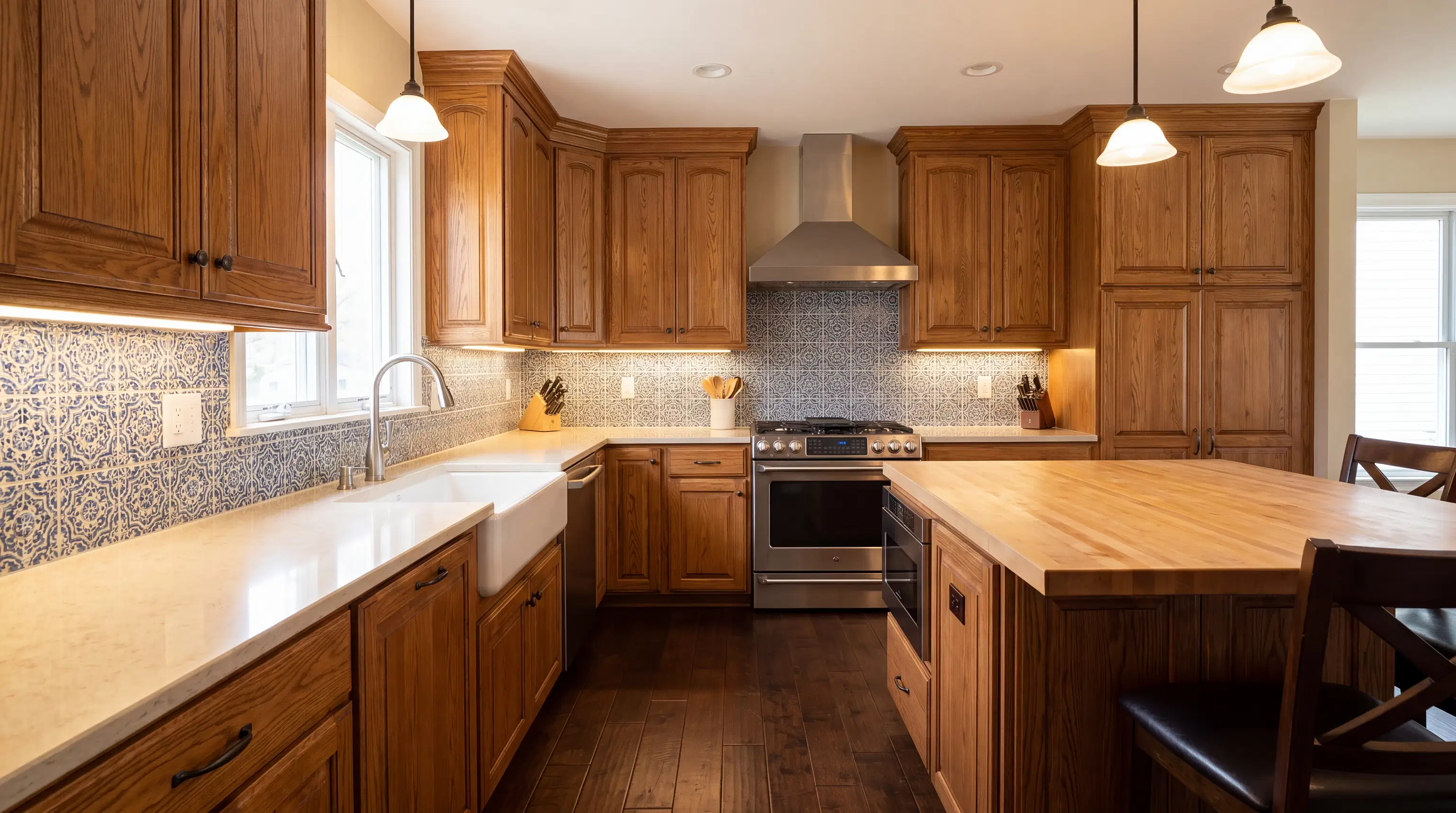
When the Floors Should Come First
One of the most frequent questions we hear from homeowners is, should flooring go under kitchen cabinets? The answer largely depends on the type of flooring material you choose. If you are installing hardwood or large-format tile, putting the floors in first is often the preferred method. Installing these solid materials wall-to-wall before the cabinets are placed ensures a clean, continuous look and makes it much easier to change your kitchen layout in the future.
Installing floors first also ensures that your cabinets and appliances sit at the correct height. If you install thick flooring up against the cabinets instead of underneath them, you risk "trapping" appliances like dishwashers, making them incredibly difficult to remove for repairs later.
However, installing beautiful new floors before heavy construction happens requires strict site protection. This is a common pain point for homeowners who worry about messy job sites. To prevent damage, our team uses heavy-duty paper and plastic barriers to protect your investment, followed by daily cleanups to maintain a safe, accessible home environment.
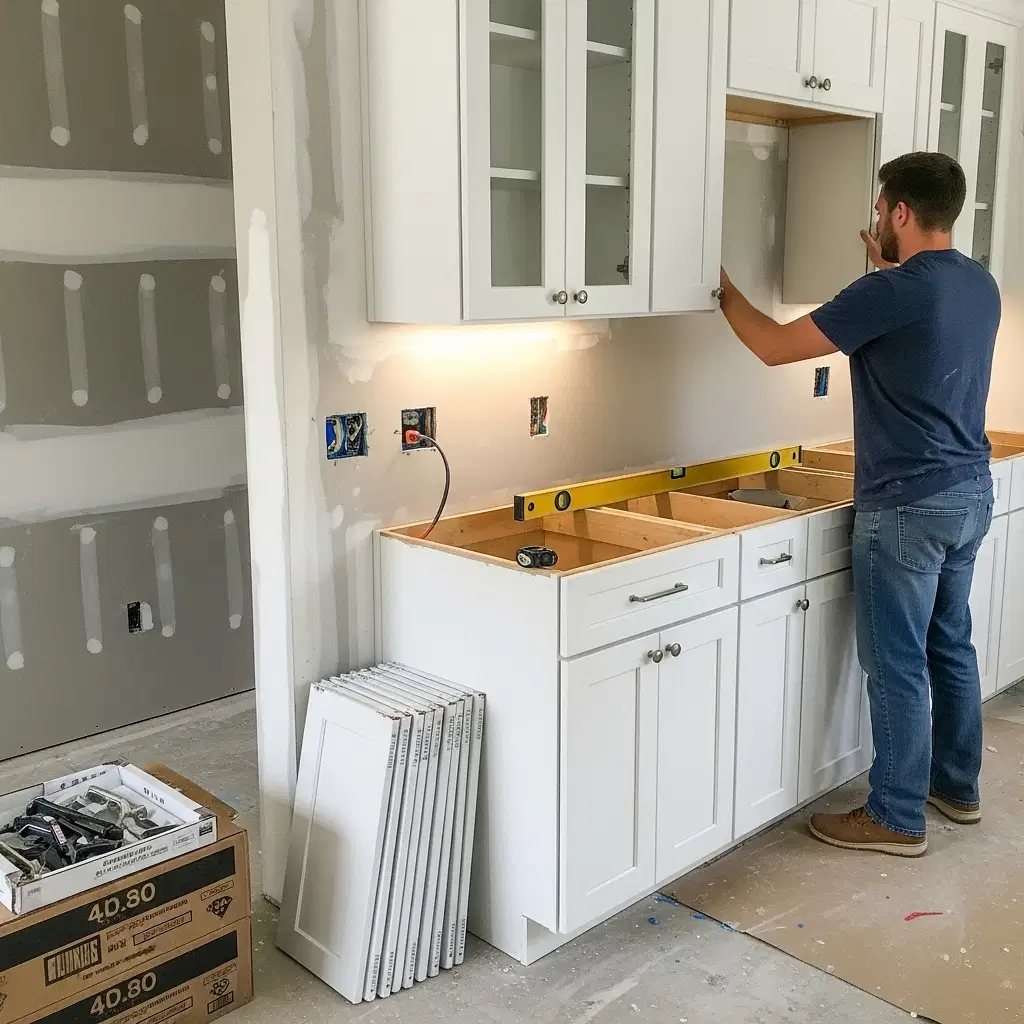
When Cabinets Should Take the Lead
While solid hardwoods and tile often go first, floating floors like luxury vinyl plank (LVP) or laminate have different rules. Because floating floors need room to expand and contract with seasonal temperature and humidity changes, they should never be pinned down by heavy base cabinets or kitchen islands. In these cases, the cabinets must be installed first, and the flooring is installed around them, leaving a small expansion gap that is later covered by quarter-round molding or toe kicks.
Homeowners also frequently ask about installing new floors before or after cabinet refacing. If you are preserving the layout of your kitchen and opting for our premium cabinetry refacing services, the order becomes much more flexible. Cabinet refacing avoids the chaos, dust, and supply chain delays of a full cabinet tear-out. Because the base boxes remain in place, you can often update your floors at any stage of the process, though many prefer to finish the floors first so any baseboard modifications perfectly match the newly refaced boxes.

Mastering the Project Schedule
Understanding the proper kitchen flooring installation order during remodel planning is a critical part of receiving an accurate, transparent estimate. Material delays and fluctuating costs are major frustrations in the construction industry right now. By establishing exactly what materials are being used early in the design phase, a general contractor can order supplies in advance, create a realistic payment schedule, and ensure your project stays on track.
When we draft a written contract for kitchen remodeling or flooring installation, we outline every step of the process. We want you to feel completely confident in our craftsmanship, which is why we provide detailed daily progress updates through our digital communication channels and back our work with a comprehensive 3-year warranty on craftsmanship.
Whether you are opting for a Texas-sized full kitchen overhaul or a strategic update to your surfaces, precision planning makes all the difference.
Ready to Transform Your Kitchen?
Figuring out the exact sequence for your remodel doesn't have to be overwhelming. When y'all partner with a reliable team, you get the benefit of meticulous planning, transparent pricing, and uncompromising attention to detail.
If you are fixin' to upgrade your Central Texas home, Stockyard Refacing is here to guide you through every step of the process. Visit our contact us page today to schedule your initial consultation and let us help you build a kitchen you will love for years to come.